

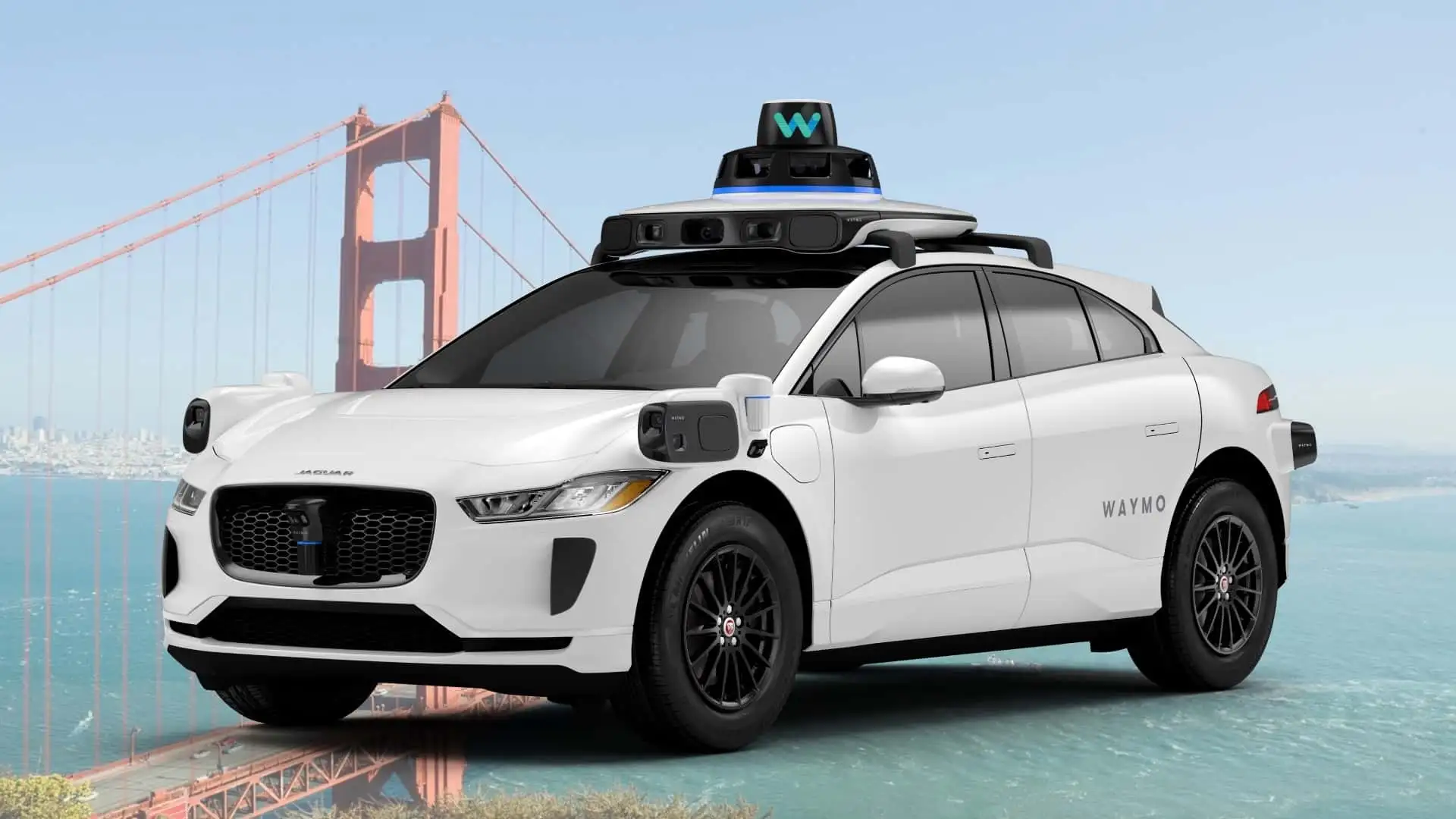
Robotaxi acceptance in the United States appears to depend heavily on where people live and whether they have firsthand experience with autonomous vehicles. As several U.S. cities prepare for major robotaxi expansions, new survey data suggests public opinion shifts notably once residents see driverless cars operating on their streets.
Alphabet-owned Waymo plans to launch services in 11 new U.S. cities this year. At the same time, Tesla confirmed it is preparing robotaxi deployments in seven additional cities, expanding beyond its early operations in Austin and San Francisco. These moves signal a rapid acceleration of autonomous vehicle adoption, even as public skepticism remains uneven.
A recent Electric Vehicle Intelligence Report surveyed more than 3,000 U.S. consumers to gauge attitudes toward autonomous vehicles. The findings reveal a clear pattern. People living in cities where Waymo already operates tend to view robotaxis more favorably, while those without exposure remain far more cautious.
Robotaxi Acceptance Rises With Real-World Exposure
According to the survey, 52% of consumers living in Waymo service areas believe robotaxis should be legal. In contrast, only 34% of consumers in cities without Waymo operations support legalization. This gap highlights how direct exposure can reduce fear and build trust over time.
In cities where robotaxis have become part of daily life, skepticism appears to soften. Seeing autonomous vehicles navigate traffic, stop for pedestrians, and complete routine trips seems to reassure residents who may have initially doubted the technology. As a result, robotaxi acceptance grows through familiarity rather than marketing.
This pattern reflects a broader trend seen with other emerging technologies. Public trust often increases once people observe consistent performance and reliability. For robotaxis, visibility and repeated use appear to be critical factors.
Safety Claims Drive Confidence but Concerns Remain
Waymo argues that its vehicles outperform human drivers on safety metrics. The company reports 90% fewer crashes and 82% fewer airbag deployments compared with average human drivers. It also says its system performs better around pedestrians and cyclists, groups considered especially vulnerable in urban traffic.
Waymo robotaxis rely on a sophisticated combination of lidar sensors, radar, and cameras that operate continuously. This sensor fusion allows the vehicles to detect obstacles, predict movement, and respond without fatigue or distraction. These capabilities underpin the company’s safety claims and help explain growing confidence in service areas.
However, safety concerns have not disappeared. Waymo vehicles have been involved in crashes, including fatal incidents. Most recently, a Waymo Jaguar I-Pace struck a child in Santa Monica. According to the National Highway Traffic Safety Administration, the child emerged suddenly from behind a parked SUV during school drop-off hours. That incident remains under federal investigation.
Public Trust Is Shaped by Scrutiny and Transparency
Federal oversight plays a significant role in shaping robotaxi acceptance. While Waymo emphasizes improved safety outcomes, ongoing investigations remind the public that the technology is still evolving. Each incident attracts intense attention, which can reinforce doubts in communities without direct exposure.
Still, supporters argue that transparency and accountability help strengthen trust over time. By reporting incidents and cooperating with regulators, companies aim to demonstrate that autonomous systems can be evaluated objectively, much like human drivers.
As deployments expand, the balance between innovation and regulation will remain central to public confidence.
Read Also
Acura RSX Electric Revival
Skoda Epiq Electric SUV
Women’s Views Highlight Safety Trade-Offs
The survey also explored how women perceive autonomous vehicles, revealing nuanced views shaped by location. Among women living in Waymo service areas, 56% said they were more concerned about the safety of autonomous vehicles than about the risk of harassment or assault by human drivers.
Outside Waymo service areas, concern about driverless technology was significantly higher. Sixty-nine percent of women in those cities said autonomous vehicles worried them more than human drivers. This contrast again points to the role of familiarity in shaping comfort levels.
For some women, robotaxis may eventually offer a sense of predictability and neutrality compared with human-driven ride-hailing. However, until exposure increases, uncertainty continues to dominate perceptions.
Parents Remain the Most Skeptical Group
Among parents, robotaxi acceptance remains particularly low. When asked whether they would allow their children under 18 to ride alone in a robotaxi, only 30% of parents in Waymo service areas said yes. The remaining 70% said they would not allow it.
In cities without Waymo operations, resistance was even stronger. Only 12% of parents said they would permit their children to use robotaxis, while 88% said they would not. These figures suggest that trust builds slowly when children are involved, regardless of broader safety statistics.
Parents appear to apply a higher standard to autonomous technology, prioritizing caution over convenience. This hesitation could slow adoption for family-focused use cases, even as adult ridership grows.
Routine Use Is Changing Urban Mobility
Waymo reports nearly half a million paid rides per week across its operating cities, including Austin, Los Angeles, Phoenix, San Francisco, Miami, and Atlanta. In these markets, robotaxis are increasingly seen as a normal transportation option rather than a novelty.
Regular use helps normalize autonomous vehicles and integrates them into daily routines. Over time, this familiarity may drive broader robotaxi acceptance, especially among commuters and frequent riders.
The next phase of expansion may prove decisive. Cities with complex weather patterns and dense traffic, such as Detroit and New York, present far greater challenges than sunbelt markets.
Future Cities Will Test Public Confidence
Harsh winters, heavy rain, and unpredictable road conditions could become the ultimate stress tests for autonomous vehicles. Success in these environments may significantly boost public trust nationwide. Conversely, failures could reinforce existing skepticism.
As robotaxi deployments accelerate, public opinion will likely continue to split along lines of experience. For now, the data suggests that acceptance grows not through promises alone, but through consistent performance in everyday conditions. Whether that trend holds in the most demanding cities will shape the future of autonomous transportation in the United States.

