

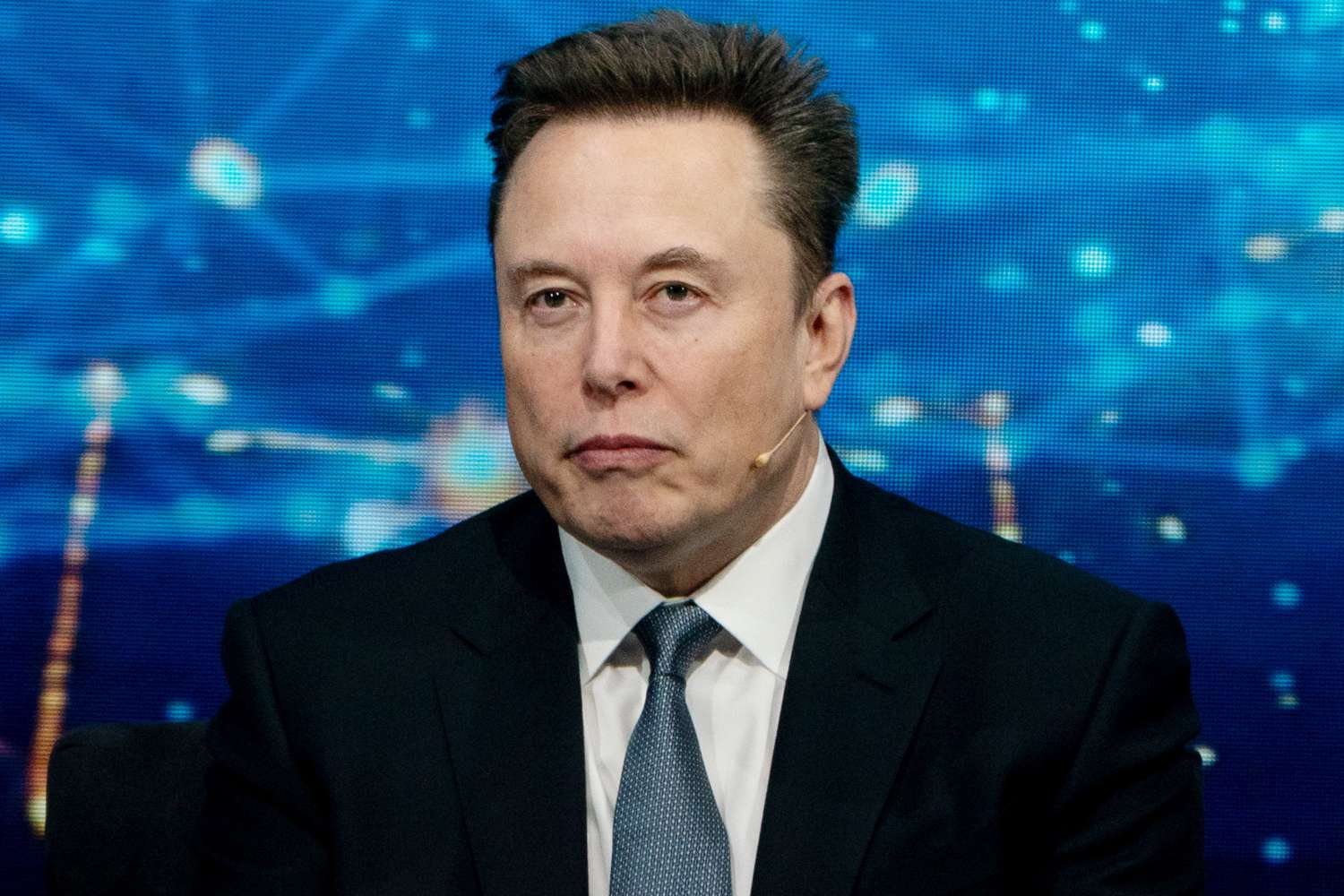
Musk trillionaire moment has become one of the most important business headlines of the year after SpaceX’s record Nasdaq debut pushed Elon Musk’s estimated fortune above $1 trillion.
The rocket and satellite company priced its IPO at $135 per share and opened around $150, with investor demand lifting SpaceX to a valuation above $2 trillion during early trading. The listing raised about $75 billion, making it one of the largest and most closely watched public offerings in financial history.
Forbes declared Musk the world’s first trillionaire after the market debut increased the value of his SpaceX stake. The milestone moved Musk beyond the billionaire rankings that have defined global wealth for decades and placed him in a new financial category.
But the bigger story is not only about one man’s fortune.
SpaceX’s public listing shows how investors are now valuing companies tied to future infrastructure. Rockets, satellites, broadband networks, artificial intelligence, defence technology and space-based communications are no longer viewed as distant possibilities. They are being priced as central parts of tomorrow’s economy.
That is why Musk’s trillionaire moment matters far beyond Wall Street.
Quick Facts About the Musk Trillionaire Moment
| Category | Detail |
|---|---|
| Person | Elon Musk |
| Wealth milestone | First publicly recognised trillionaire |
| Main trigger | SpaceX IPO |
| Exchange | Nasdaq |
| IPO price | $135 per share |
| Opening price | Around $150 per share |
| Capital raised | About $75 billion |
| SpaceX valuation | Above $2 trillion during trading |
| Forbes estimate | Above $1 trillion |
| Key business driver | Musk’s SpaceX ownership stake |
| Main market theme | Space infrastructure and future technology |
Why This Moment Matters
The first trillionaire milestone matters because it changes the scale of modern wealth.
For years, the business world tracked billionaires. Some fortunes passed $100 billion, then $200 billion, and later climbed even higher. But $1 trillion remained a theoretical number, often discussed as a future possibility rather than a present reality.
SpaceX changed that.
The company’s public-market debut gave investors a live valuation for one of Musk’s most important holdings. Since Musk owns a large stake in SpaceX, the IPO immediately transformed his estimated net worth.
The result was a historic wealth record.
This does not mean Musk has $1 trillion in cash. Most of his wealth is tied to shares, options and company valuations. Still, crossing the trillion-dollar mark is symbolic because it shows how public markets can create personal fortunes at an unprecedented scale.
SpaceX Becomes the Centre of Musk’s Wealth Story
For many years, Tesla was the company most closely linked to Musk’s wealth.
Tesla’s rise made him the world’s richest person and turned him into the face of electric vehicles, batteries, software-driven cars and future mobility.
Now SpaceX has taken centre stage.
The company’s IPO gave Musk another giant public-market wealth engine. SpaceX is not only a rocket company. It is also the owner of Starlink, one of the most ambitious satellite internet networks in the world.
This makes Musk’s wealth story broader than electric vehicles.
It now includes space access, global connectivity, satellite infrastructure, government contracts and future space systems.
That shift matters because SpaceX may become one of the defining companies of the next technology cycle.
What Investors Are Really Buying
Investors buying SpaceX are not only buying rockets.
They are buying a future-infrastructure story.
SpaceX operates in several connected markets. It launches rockets, deploys satellites, operates Starlink, serves government customers and plans for future space systems. This combination gives the company a rare position in industries that could grow for decades.
The attraction is easy to understand.
If satellite broadband keeps expanding, Starlink could become a major global communications network. If space access becomes more important, SpaceX could remain a leading launch provider. If governments increase spending on space and defence systems, the company could benefit from strategic contracts.
That is the investment case behind the high valuation.
But it is also why expectations are so demanding.
Starlink Gives SpaceX a Powerful Business Model
Starlink is one of the most important parts of the SpaceX story.
Rockets are impressive, but satellite broadband gives SpaceX something public investors often love: recurring revenue.
Starlink can serve homes, businesses, aircraft, ships, remote communities and governments. It gives SpaceX a direct customer business that is not limited to one-off launch contracts.
The company also has a strong structural advantage.
SpaceX can build satellites, launch them using its own rockets and operate the network itself. This vertical integration gives it speed, control and cost advantages that many rivals may struggle to match.
If Starlink continues growing, it could support a large part of SpaceX’s long-term valuation.
That is why investors are watching it closely.
Why the IPO Created So Much Excitement
The SpaceX IPO created excitement because it offered public investors access to a company many had wanted to own for years.
Before the listing, SpaceX was largely available only to private investors, employees and institutions with access to private markets. Ordinary investors could follow the company’s progress, but they could not easily buy shares.
The Nasdaq debut changed that.
It opened SpaceX to public-market participation and gave investors a chance to own part of a company positioned at the centre of the space economy.
The listing also arrived with strong brand power.
SpaceX is one of the most recognisable technology companies in the world. Its missions, rockets and Starlink network have given it global visibility. That visibility helped turn the IPO into a major market event.
Why the Valuation Is Under Pressure
SpaceX’s valuation above $2 trillion is historic, but it also creates a difficult challenge.
At that price, the company must deliver extraordinary growth.
Investors will expect Starlink expansion, strong launch performance, government contract wins, better financial transparency and credible long-term profitability.
That will not be easy.
Space businesses require heavy spending. Rockets and satellites are complex. Delays can be expensive. Regulatory issues can slow expansion. Competition can increase. Public markets can become impatient.
SpaceX must now prove that the excitement around its IPO is supported by real business performance.
A strong first day is important, but long-term investors will focus on execution.
The Leadership Question Around Musk
Musk’s leadership is central to the SpaceX story.
Supporters see him as one of the few entrepreneurs capable of building companies that challenge entire industries. They point to Tesla’s rise, SpaceX’s reusable rockets and Starlink’s global expansion as proof of his ability to turn bold ideas into operating businesses.
Critics see risk.
Musk is involved in several companies, including Tesla, SpaceX, X, xAI and Neuralink. That raises questions about focus, governance, communication and management capacity.
Now that SpaceX is public, those questions will become more important.
Investors will watch not only the company’s results but also Musk’s leadership choices.
What This Means for Wall Street
The SpaceX IPO may reshape the market for large technology listings.
Many major private companies have delayed going public in recent years, partly because private capital was available and public markets were unpredictable. SpaceX has now shown that investors will still support a massive IPO when the company has a powerful growth story.
This could encourage other firms in artificial intelligence, robotics, defence technology, satellite systems and advanced infrastructure to consider public listings.
However, SpaceX’s long-term performance will determine whether the IPO becomes a model or a warning.
If the stock performs well, it may revive confidence in mega-IPOs. If it struggles, investors may become more cautious about paying extreme valuations for future technology listings.
What This Means for Global Wealth
Musk becoming the first trillionaire changes the global wealth conversation.
It shows that personal fortunes can now be built around companies controlling future infrastructure, not only traditional industries such as oil, banking, retail or real estate.
The largest modern fortunes increasingly come from platforms, networks, data, artificial intelligence, electric vehicles and advanced technology systems.
SpaceX fits this pattern.
Its value comes from what it already does and what investors believe it could control in the future.
That includes launch access, satellite broadband, global communications, government-linked space technology and possible future space industries.
The Inequality Debate Will Grow
The trillionaire milestone will also intensify debate about inequality.
Supporters will argue that Musk’s fortune reflects innovation, risk-taking and decades of building difficult companies. They will say SpaceX and Tesla changed industries and created new markets.
Critics will argue that a fortune above $1 trillion represents extreme concentration of wealth and influence.
The debate is especially sharp because SpaceX works in sectors linked to national security, satellite communications and global internet access. These are not ordinary consumer markets.
They are strategic systems.
That means Musk’s wealth milestone raises questions not only about money, but about power.
What Investors Should Watch Next
Investors should now look beyond the headline.
The key questions are clear.
Can SpaceX grow Starlink fast enough? Can it maintain launch leadership? Can it manage costs? Can it report strong financial performance? Can it justify a valuation above $2 trillion?
They should also watch how SpaceX handles public-company pressure.
As a listed company, it will face more scrutiny, more reporting expectations and more pressure to explain its long-term strategy.
The IPO created history. The next challenge is proving that history can become sustainable value.
Key Takeaways
- Elon Musk has become the first publicly recognised trillionaire.
- SpaceX’s Nasdaq debut pushed his estimated fortune above $1 trillion.
- The company priced its IPO at $135 per share.
- SpaceX opened around $150 per share.
- The listing raised about $75 billion.
- SpaceX traded at a valuation above $2 trillion.
- Musk’s wealth is mostly tied to shares and options, not cash.
- Starlink is a major part of SpaceX’s long-term growth story.
- The IPO gives public investors direct exposure to SpaceX.
- The high valuation creates major pressure for future growth.
- Musk’s milestone raises debate about innovation, wealth concentration and market power.
- SpaceX must now prove it can justify its historic valuation.
Frequently Asked Questions
What is the Musk trillionaire moment?
The Musk trillionaire moment refers to Elon Musk becoming the first publicly recognised person with an estimated fortune above $1 trillion after SpaceX’s IPO.
What made Elon Musk a trillionaire?
SpaceX’s Nasdaq debut made Musk a trillionaire by increasing the value of his large ownership stake in the company.
What was the SpaceX IPO price?
SpaceX priced its IPO at $135 per share.
What did SpaceX shares open at?
SpaceX shares opened around $150 per share.
How much did SpaceX raise?
SpaceX raised about $75 billion through the listing.
What was SpaceX valued at?
SpaceX traded at a valuation above $2 trillion during its market debut.
Is Elon Musk’s trillion-dollar fortune cash?
No. Most of Musk’s wealth is paper wealth tied to shares, stock options and company stakes.
Why is Starlink important to SpaceX?
Starlink is important because it gives SpaceX a recurring satellite internet business with global growth potential.
Can Musk lose trillionaire status?
Yes. Musk’s estimated wealth can fall below $1 trillion if SpaceX or Tesla shares decline sharply.
Why does this milestone matter?
It matters because it marks a new era in wealth creation and shows how markets are valuing space, satellites and future technology infrastructure.
Conclusion
Musk trillionaire moment is more than a wealth record. It is a sign of how markets now price the future.
SpaceX’s historic IPO has turned Elon Musk into the world’s first publicly recognised trillionaire, pushed the space economy into the centre of global finance and opened a new chapter for technology-led wealth.
The milestone reflects investor confidence in rockets, Starlink, satellite networks and future infrastructure. It also raises serious questions about valuation, inequality and private power over strategic systems.
SpaceX has already made history.
Now it must prove that its record-breaking market debut can be matched by long-term performance.
The world has entered the trillionaire era, and SpaceX is the company that brought it there.