

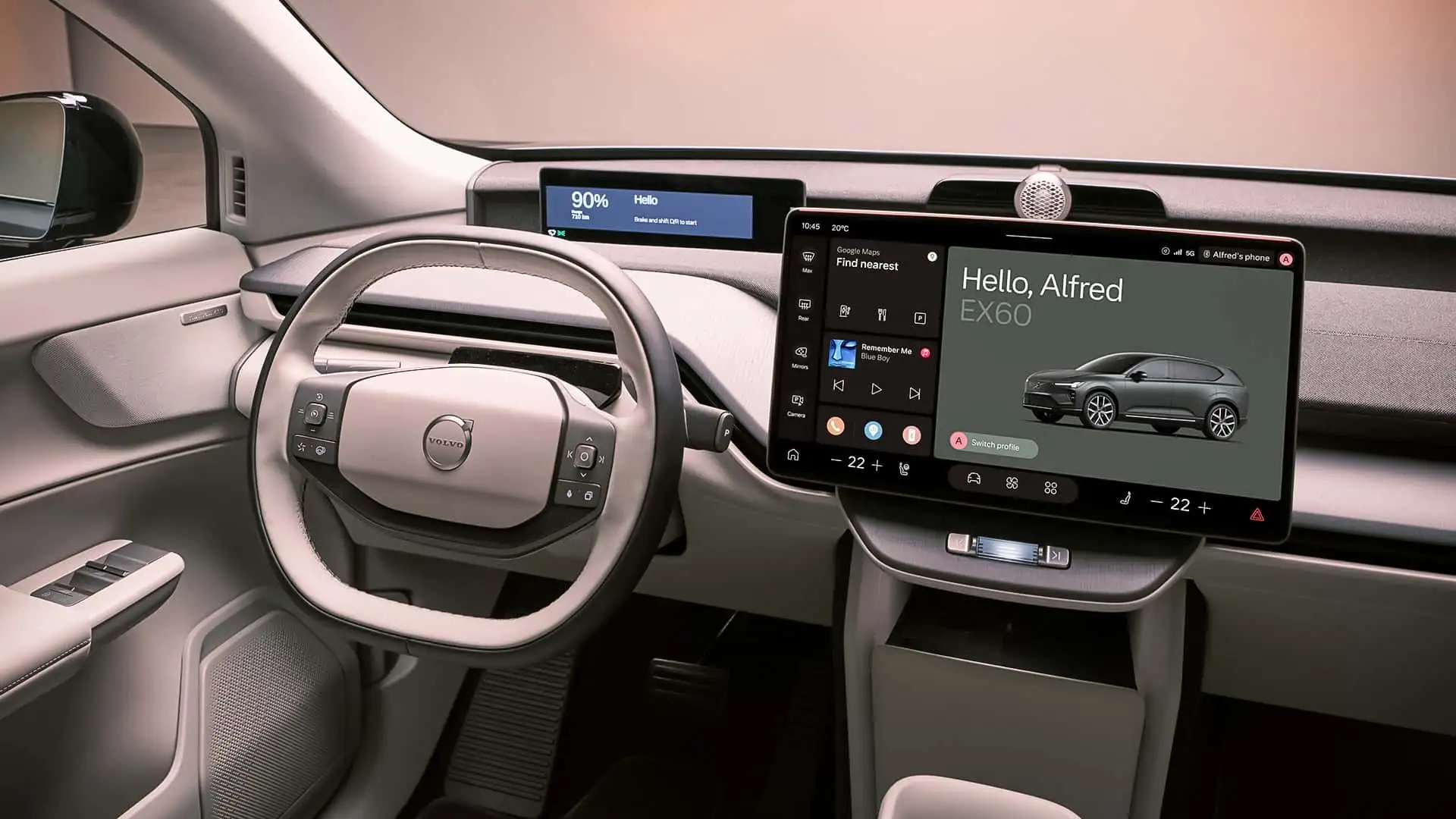
Android Automotive SDV is Google’s latest push to transform how modern vehicles operate, shifting from infotainment support to full system control. The new platform aims to become the central brain of future cars by managing multiple vehicle functions directly.
Google introduced this open-source system to help automakers integrate advanced technology faster while lowering development costs. As vehicles become increasingly software-driven, the company is positioning itself at the center of that transformation.
Android Automotive SDV shifts control inside vehicles
The Android Automotive SDV platform moves beyond traditional infotainment roles. Previously, Android Automotive OS could only communicate with different vehicle modules and display their status on a central screen.
Now, the system is designed to take direct control of non-driving functions. This includes seat adjustments, climate systems, lighting, and digital displays. As a result, automakers can reduce reliance on separate component software.
Moreover, this shift simplifies vehicle architecture. Instead of managing multiple programming systems, manufacturers can rely on a unified software platform. This approach could streamline production and improve system reliability.
Android Automotive SDV enables faster updates
One major advantage of Android Automotive SDV is its ability to deliver targeted over-the-air updates. Unlike current systems that mainly update infotainment features, the new platform can update individual vehicle components.
This capability allows automakers to fix issues or add features without requiring physical service visits. Consequently, drivers may benefit from continuous improvements throughout the vehicle’s lifecycle.
In addition, the platform supports enhanced voice assistants and personalized driver profiles. It also enables proactive maintenance alerts and remote cabin conditioning, which improve convenience and safety.
Virtualization powers global development
Another key feature of Android Automotive SDV is its built-in virtualization technology. This allows developers to work on software components even before the physical hardware is ready.
For example, teams in different regions can collaborate simultaneously on the same vehicle project. While hardware teams build components, software engineers can develop and test features in parallel.
As a result, development timelines may shorten significantly. This parallel workflow also reduces delays and helps automakers bring new models to market faster.
Read Also
MacBook Neo Price Shocks PC Industry
Honda 0 Series Cancelled Amid Restructuring
Rivian Dual Standard Models Set for Discontinuation
Android Automotive SDV standardizes vehicle software
A central element of Android Automotive SDV is the introduction of a unified signal catalog. This system standardizes how different vehicle components communicate and operate.
Instead of using varied programming methods, manufacturers and suppliers will adopt a common set of commands. According to Google, this reduces redundant engineering work and lowers development costs.
However, this change also requires suppliers to adjust their existing systems. By setting a unified standard, Google effectively positions its platform as the foundation for future automotive software.
Competition and industry response
Google is not alone in pursuing control over in-car software. Apple has attempted a similar approach with CarPlay Ultra. However, many automakers have resisted giving extensive control to external tech companies.
So far, only a few manufacturers have shown interest in Apple’s expanded system. In contrast, Google’s open-source approach may appeal to automakers seeking flexibility.
The Android Automotive SDV platform is already in use in Renault’s Trafic e-Tech electric van. Furthermore, Google plans to make the system available to more manufacturers later this year.
As the automotive industry shifts toward software-defined vehicles, competition between tech giants is expected to intensify. Automakers will likely weigh control, cost, and flexibility when choosing their software partners.
The rollout of Android Automotive SDV signals a major step toward fully connected, software-driven vehicles, where updates, features, and performance continue to evolve long after purchase.