

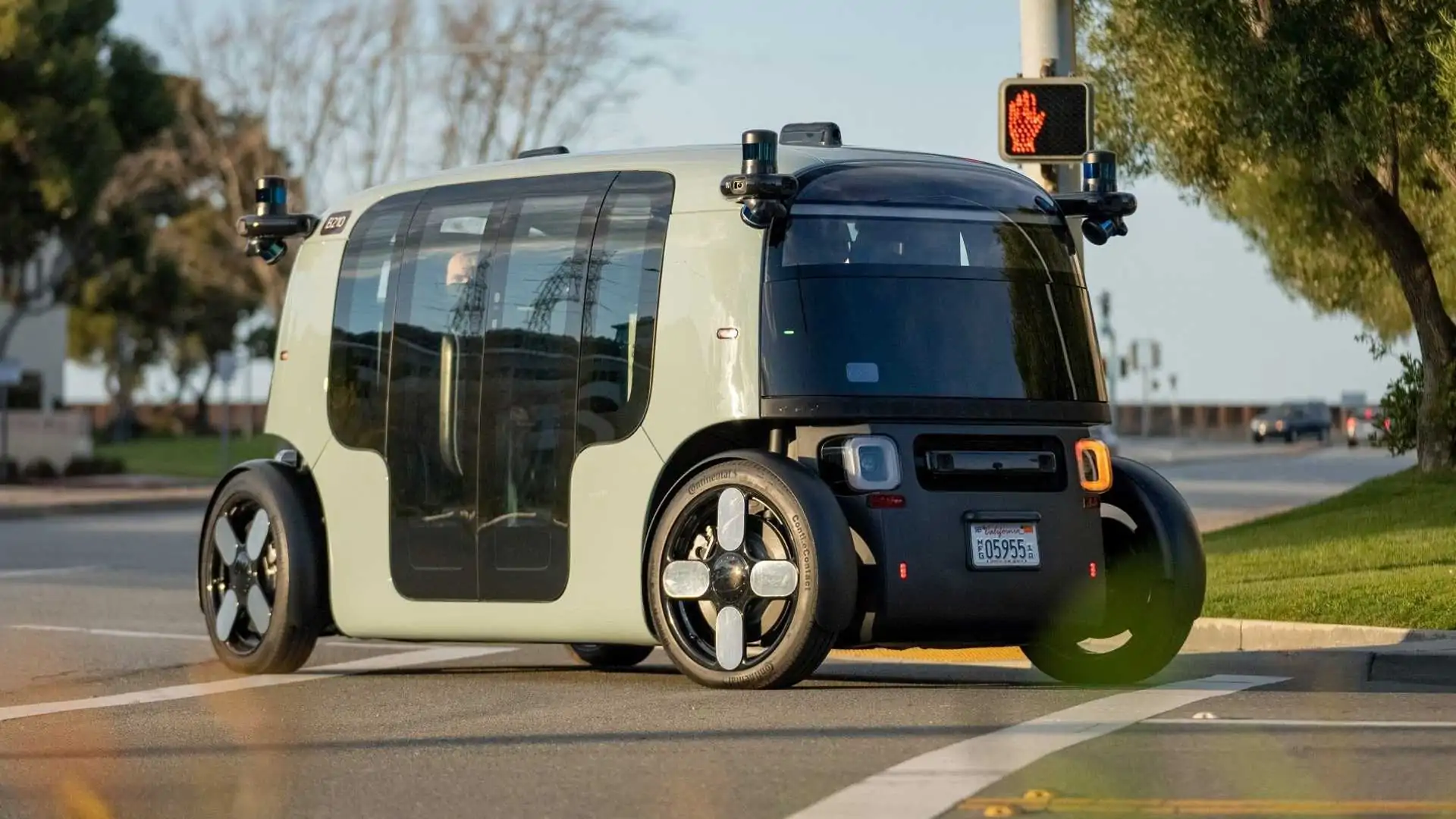
Zoox robotaxi expansion is accelerating across the United States as Amazon’s autonomous vehicle unit prepares to launch services in new cities while scaling operations in existing markets. The company confirmed it will deploy its driverless electric pods in Austin, Texas, and Miami, Florida, later this year.
This move marks a significant step in Zoox’s strategy to compete in the rapidly evolving robotaxi space. At the same time, the company is deepening its presence in San Francisco and Las Vegas, where it already operates limited services.
Zoox robotaxi expansion enters Austin and Miami
The Zoox robotaxi expansion into Austin comes as competition intensifies. Rivals such as Tesla and Waymo already offer rides in the Texas city. However, Zoox plans a cautious rollout, beginning with access limited to employees, their families, and close associates.
The company will soon open a waitlist, followed by the launch of its Zoox Explorers early rider program in both Austin and Miami. This phased approach allows Zoox to refine its technology while maintaining safety standards.
Importantly, Zoox has tested its autonomous systems in both cities since 2024 using retrofitted vehicles. Now, the company is confident enough to introduce its purpose-built robotaxis, which feature automatic sliding doors, opposing bench seating, and no steering wheel or pedals.
Expansion strengthens Las Vegas and San Francisco footprint
Beyond new markets, the Zoox robotaxi expansion is also reshaping its existing service areas. In Las Vegas, the company plans to extend coverage to key locations such as Harry Reid International Airport and major entertainment venues including Sphere and T-Mobile Arena.
Since launching public rides in the city last year, Zoox has more than doubled its operational area. It now includes the Las Vegas Convention Center and many major hotels along the Strip, increasing accessibility for both tourists and residents.
Meanwhile, in San Francisco, Zoox intends to significantly expand its geofenced service zone. The company aims to quadruple its coverage, reaching large parts of the eastern half of the city. Areas such as the Marina, North Beach, Chinatown, Pacific Heights, and the Embarcadero will be included.
Technology upgrades enhance rider experience
As part of the Zoox robotaxi expansion, the company is rolling out several feature upgrades designed to improve user experience. These include more accurate estimated arrival times and pre-booking tools that provide clearer trip expectations.
Additionally, riders will be able to connect their personal devices via Bluetooth. This feature allows passengers to play their own music instead of relying solely on curated playlists.
Zoox is also introducing a “Find My Zoox” function. This tool helps riders locate their vehicle in crowded pickup zones by activating distinct lighting and sound signals. As a result, users can identify their ride quickly and easily.
Read Also
MacBook Neo Price Shocks PC Industry
Honda 0 Series Cancelled Amid Restructuring
Rivian Dual Standard Models Set for Discontinuation
Zoox robotaxi expansion gains traction with users
The Zoox robotaxi expansion is supported by growing usage data. Since launching limited public rides in Las Vegas less than a year ago, the company’s autonomous pods have driven nearly two million miles and carried over 350,000 passengers.
These figures highlight increasing acceptance of driverless technology among consumers. Moreover, they provide valuable data that helps improve system reliability and safety.
Zoox is also testing its technology in several additional cities, including Seattle, Los Angeles, Atlanta, Washington D.C., Dallas, and Phoenix. These trials suggest that further expansion could follow in the near future.
Competitive landscape and industry implications
The Zoox robotaxi expansion reflects broader trends in the autonomous vehicle industry. Companies are racing to scale operations while refining technology to meet regulatory and safety standards.
Although Tesla and Waymo currently lead in several markets, Zoox’s purpose-built vehicles offer a distinct approach. Unlike retrofitted cars, its pods are designed specifically for autonomous mobility, which could provide long-term advantages.
However, challenges remain. Regulatory approval, public trust, and infrastructure readiness will all influence the pace of adoption. Still, Zoox’s steady expansion indicates strong confidence in its technology and business model.
As the company enters new cities and enhances its services, the competition for dominance in the robotaxi market is expected to intensify.

