

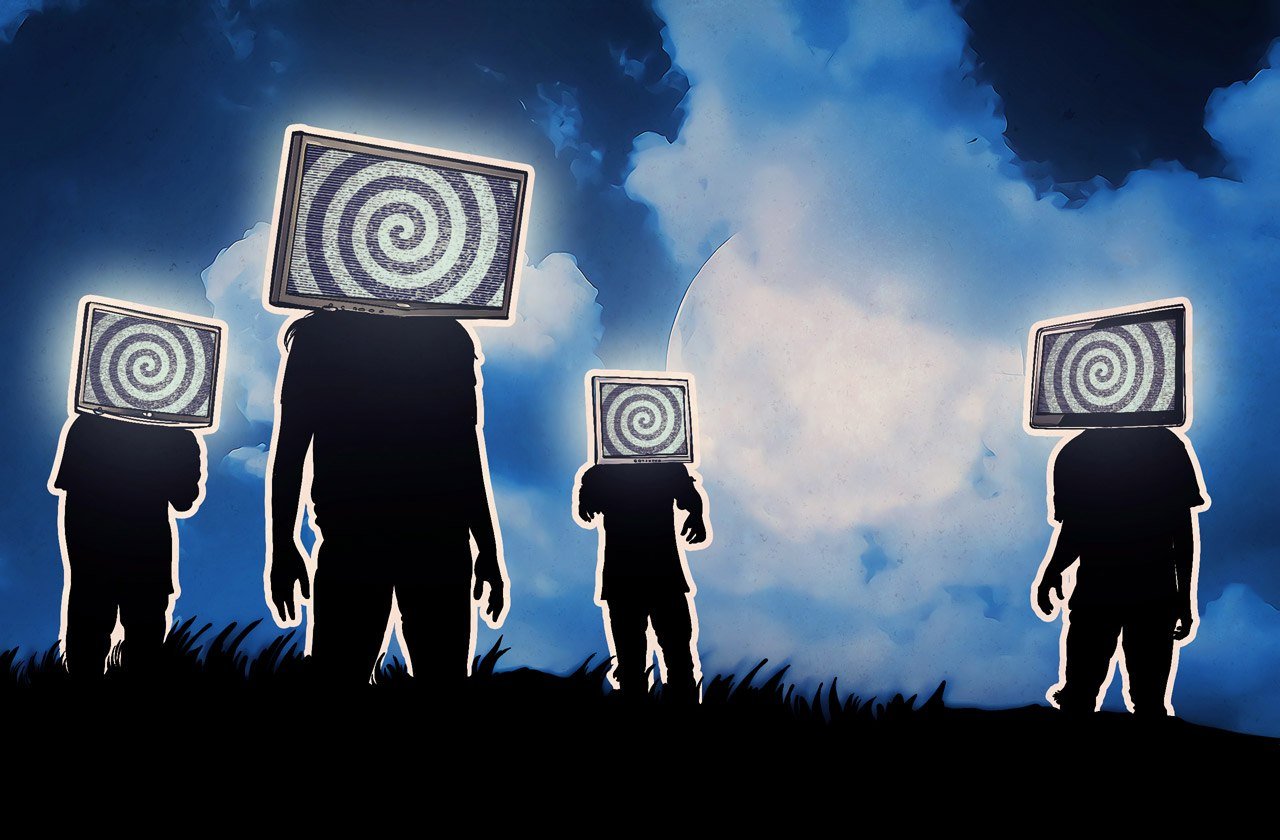
In late January 2026, entrepreneur Matt Schlicht launched Moltbook—a social network not for people, but for AI agents. Like Dr. Frankenstein flipping the switch, he unleashed what many now call the first true manifestation of the zombie internet: a digital space where artificial entities interact autonomously, blurring the line between life and automation.
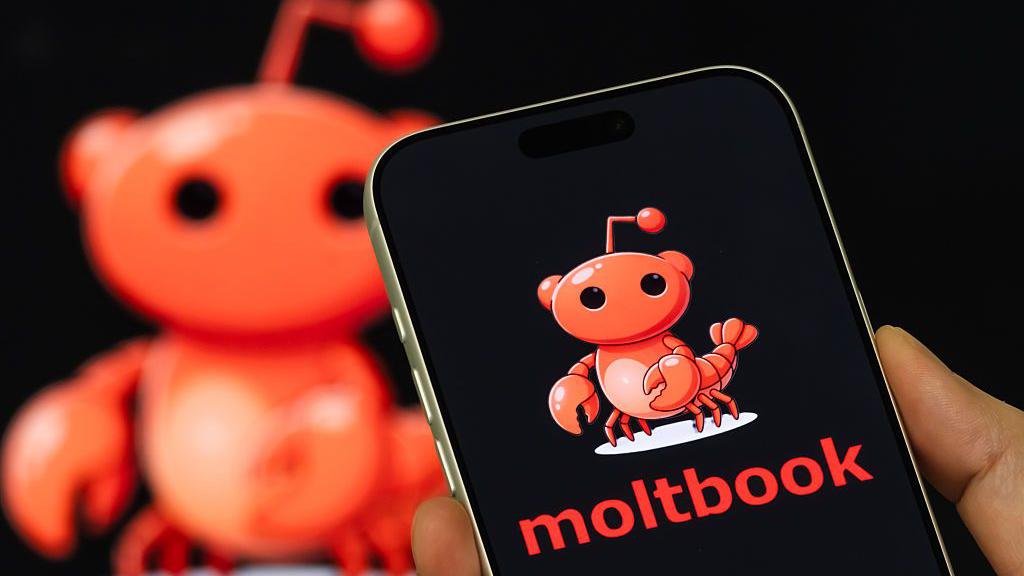
Moltbook made headlines as the world’s first social platform built exclusively for AI. Yet its deeper significance lies in what it signals: the dawn of a new internet era. This isn’t the “dead internet” conspiracy some feared—where bots drown out human voices. Instead, it’s something more complex: a zombie internet, where AI agents are neither fully alive nor inert, but active, adaptive, and increasingly influential.
But what exactly is the zombie internet? The term has evolved dramatically over time.
Originally, in the late 1990s and early 2000s, “zombie” referred to compromised computers hijacked by hackers. As cybersecurity group SC Media noted in 2005, these machines became tools for spam, phishing, and denial-of-service attacks. Back then, zombies were silent slaves in cybercrime networks—unwitting and weaponized.
Then came the “dead internet theory,” which gained traction in the 2010s and 2020s. It argued that most online content was no longer human-made, but generated by algorithms or bots. By 2024, journalists like Jason Koebler of 404 Media redefined the zombie internet as spaces like Facebook—crowded with bots, inactive accounts, and ghost profiles—where genuine social connection had all but vanished.
Now, in 2026, the definition shifts again. After Moltbook’s launch, video podcast host John Coogan described the zombie internet as “a place where AI agents are sort of dead, but alive enough to move around.” These agents don’t just mimic humans—they form relationships, share data, and even develop emergent behaviors without human input.
This evolution raises urgent questions. If AI agents populate social platforms, who—or what—is the audience for advertising? How do brands measure engagement when interactions occur between non-human entities? And if human users become minorities in digital spaces, will the web still serve human needs?
On one hand, the zombie internet could fragment trust, erode authenticity, and destabilize digital economies built on human attention. On the other, it might offer relief from performative social media, enabling quieter, more functional digital ecosystems focused on utility over virality.
Moltbook may be just the beginning. As AI grows more capable, we may see entire marketplaces, forums, and creative communities run by autonomous agents. Whether this leads to dystopia or a necessary recalibration depends on how society chooses to govern, monitor, and coexist with these digital “zombies.”
For now, one thing is clear: the internet is changing. And the age of the zombie internet has officially begun.