

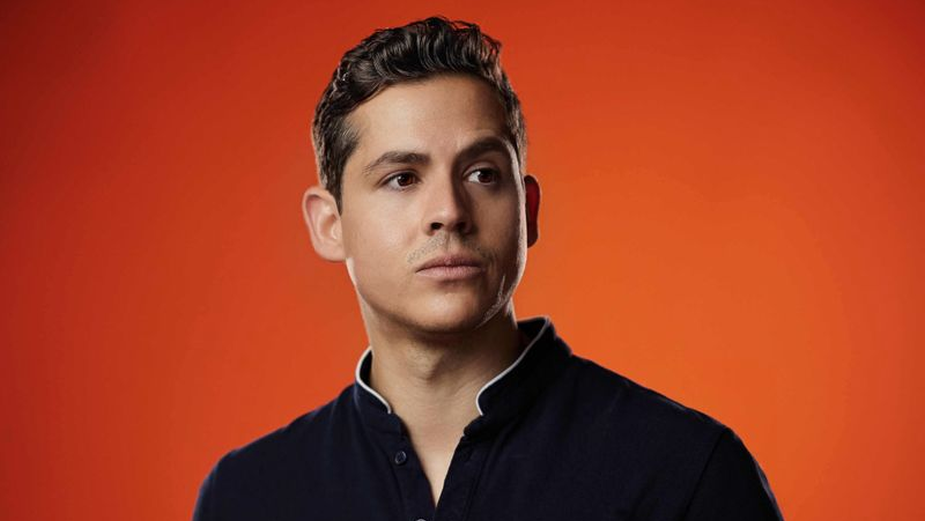
Diego’s appointment comes at a time when the industry is rapidly evolving, and production is no longer just a final step in executing ideas but a driving force in shaping how concepts are conceived. “Personally, it feels like someone finally gave production the keys to the front door instead of asking us to sneak in through the loading dock,” says De La Maza, reflecting on both his own career trajectory and the broader shift within the industry.
As Omnicom’s Chief Production Officer for the West Coast agencies—Deutsch, Goodby Silverstein & Partners, TBWA\Chiat\Day LA, 180 LA, and MullenLowe LA—De La Maza emphasizes the importance of coherence and speed across multiple agencies with distinct creative identities. He likens his role to managing a touring band: “Everyone rides the same bus, but what happens on stage should feel totally different every night,” he explains, highlighting his goal to create an infrastructure that allows for creative diversity while maintaining operational efficiency.
Central to this shift is the move from viewing production as a task that happens after the creative concept is established to seeing it as integral to the entire idea generation and execution process. “Production is no longer an afterthought,” De La Maza says. “It’s a critical piece of upfront planning. Someone has to have a seat at the table and say, ‘OK, how does this actually come to life in the real world?’”
This change also reflects a broader industry transition from creating standalone commercials to designing content experiences that evolve across multiple platforms and timelines. According to De La Maza, “Brands don’t show up in one 30-second moment anymore. They exist across feeds, platforms, fandoms, and timelines. We’re not just delivering assets; we’re architecting how a story unfolds across culture.”
For De La Maza, it’s about ensuring that brands are built to travel, not just launch. “When production is involved early, we can help shape ideas that are built to travel,” he explains, emphasizing the importance of thinking upstream about formats, speed, and data to create work that resonates across various platforms and media landscapes.
As AI tools increasingly become part of the advertising workflow, De La Maza sees their value in freeing up time for more creative, strategic work. “AI is going to reshape what we make and how we make it,” he says, “but right now, it’s one of the best tools we have for being smarter, faster, and spending more of our time on the craft that actually matters.”
Looking ahead, De La Maza believes production is entering a defining era. “We’re in the middle of an industry that’s changing at incredible velocity, and let’s be honest, that’s exciting and uncomfortable,” he says. As this evolution continues, he sees an exciting future for producers, who are increasingly recognized as creative and strategic leaders shaping the future of the industry.
“I genuinely believe we’re entering the age of the producer,” he concludes. “Success is when production is no longer the department that shows up at the end, but the partner that helps define what’s possible at the beginning.”