

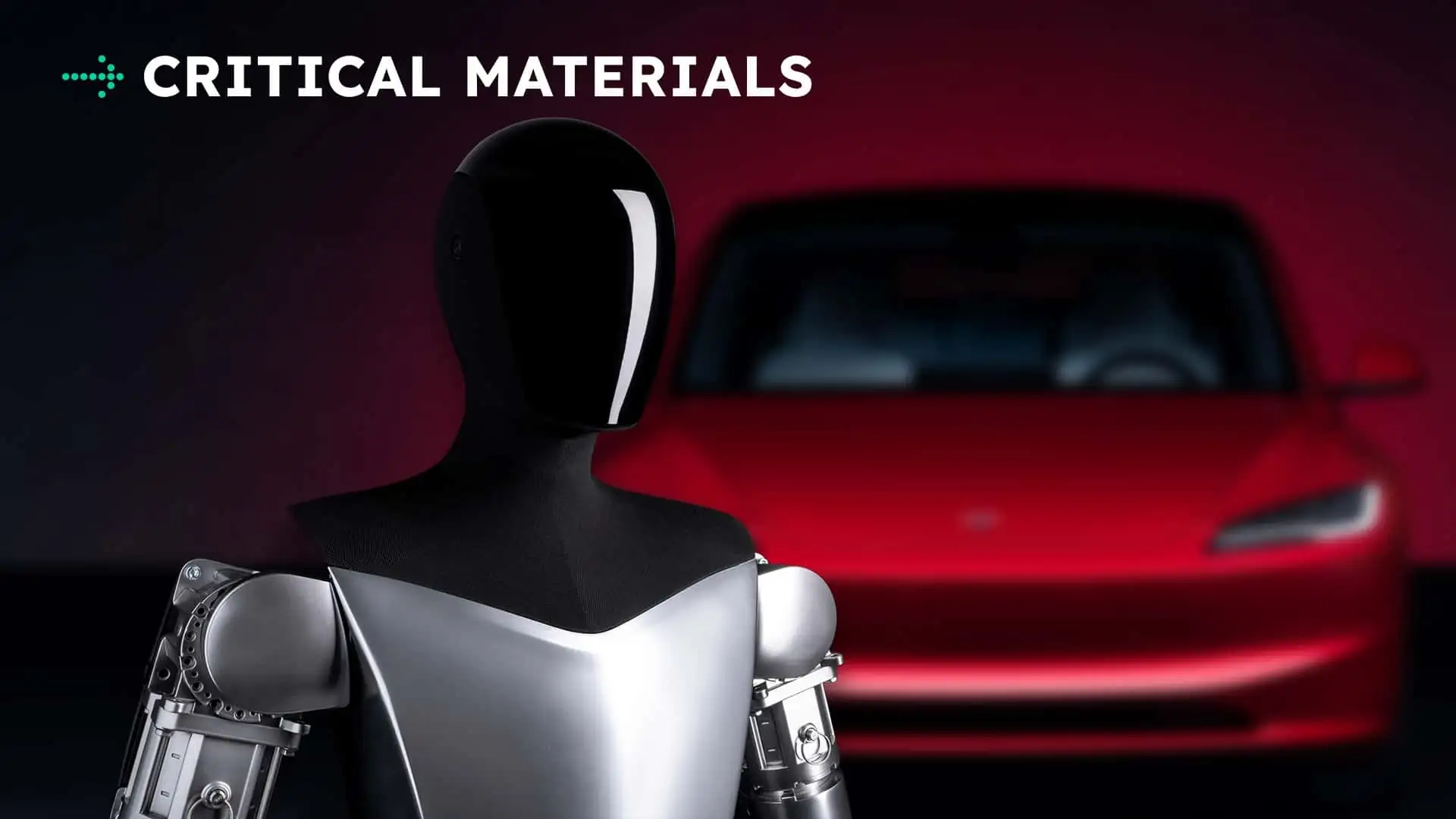
Dark factories are no longer a distant concept in automotive manufacturing. As robotics and artificial intelligence advance rapidly, automakers are preparing for a future where vehicles roll off assembly lines with no human involvement. Industry analysts believe at least one fully automated plant could operate in the United States or China before the decade ends. Alongside this shift, new battery recycling laws and rising consumer debt are reshaping how the car industry functions.
Dark factories redefine vehicle manufacturing
Dark factories describe facilities where machines handle every stage of production without human input. Because no workers are present, these plants can operate around the clock without lighting or breaks. Experts say improvements in AI, machine vision, and robotic dexterity now make this model increasingly realistic.
For years, automakers experimented with automation but still depended on people for complex tasks. Wiring installation and interior assembly often required human flexibility. However, newer robots can now perform these duties with greater precision. As a result, dark factories are moving from theory into planning discussions.
Why automakers are investing in dark factories
Several factors are accelerating the push toward dark factories. Labor shortages continue to affect manufacturing hubs worldwide. At the same time, competitive pressure from electric vehicle startups has forced legacy brands to rethink efficiency.
Automation also offers stability. AI-controlled systems can adjust workflows quickly when supply chains shift. Therefore, manufacturers see dark factories as a way to reduce risk while maintaining output in unpredictable markets.
Automation lessons from earlier production challenges
The industry has not forgotten past automation failures. Earlier attempts to remove humans entirely from factories revealed technical limits. Machines struggled in environments that demanded improvisation, while workers adapted more easily.
Since then, robotics has progressed. Humanoid robots now show improved balance and fine motor skills. AI software processes sensor data faster and more accurately. Consequently, many executives believe the balance between humans and machines will shift again before 2030.
Read Also
Lucid CEO outlines future EV strategy
Zeekr 7GT signals new EV competition
Elon Musk’s Grok AI and automation vision
Battery recycling laws reshape the auto ecosystem
Manufacturing is not the only area facing change. Colorado lawmakers want to mandate lithium-ion battery recycling as electric vehicles reach end of life. The proposal would require automakers to ensure batteries are safely recycled rather than discarded.
Supporters argue that recycling protects the environment and strengthens supply chains by recovering valuable materials. If adopted, the law would take effect in 2028. This move could influence other states as EV adoption grows nationwide.
Rising negative equity pressures car buyers
While factories evolve, consumers face financial strain. Data shows a growing share of trade-ins now carry negative equity, meaning owners owe more on loans than vehicles are worth. The average shortfall has reached record levels.
High vehicle prices during the pandemic locked buyers into expensive loans. Meanwhile, depreciation outpaced repayment. As a result, many drivers roll debt into new purchases, creating cycles that are hard to escape.
What dark factories mean for workers
The spread of dark factories raises concerns about employment. Fewer traditional assembly jobs may exist in the future. However, new roles could emerge in robotics maintenance, software development, and battery recycling operations.
Governments and companies may need retraining programs to support displaced workers. Therefore, automation’s impact will likely vary by region and skill level.
An industry transformed by technology and economics
The convergence of automation, regulation, and consumer finance signals a major transition for the auto sector. Dark factories represent one extreme of efficiency, while battery policy and loan stress highlight broader economic realities. Together, these forces show how quickly mobility is changing and why the next decade may redefine how cars are built and owned.

