

EU regulators say Google’s ad tech dominance breached competition law, opening the door to multi-billion-euro fines and a forced divestiture.
The European Commission has issued provisional findings that significantly escalate its long-running antitrust case against Google, concluding that the company’s advertising technology stack has been dominant for more than a decade and has breached EU competition rules. The ruling raises the prospect of further financial penalties running into billions of euros and even a forced breakup of parts of Google’s ad business.
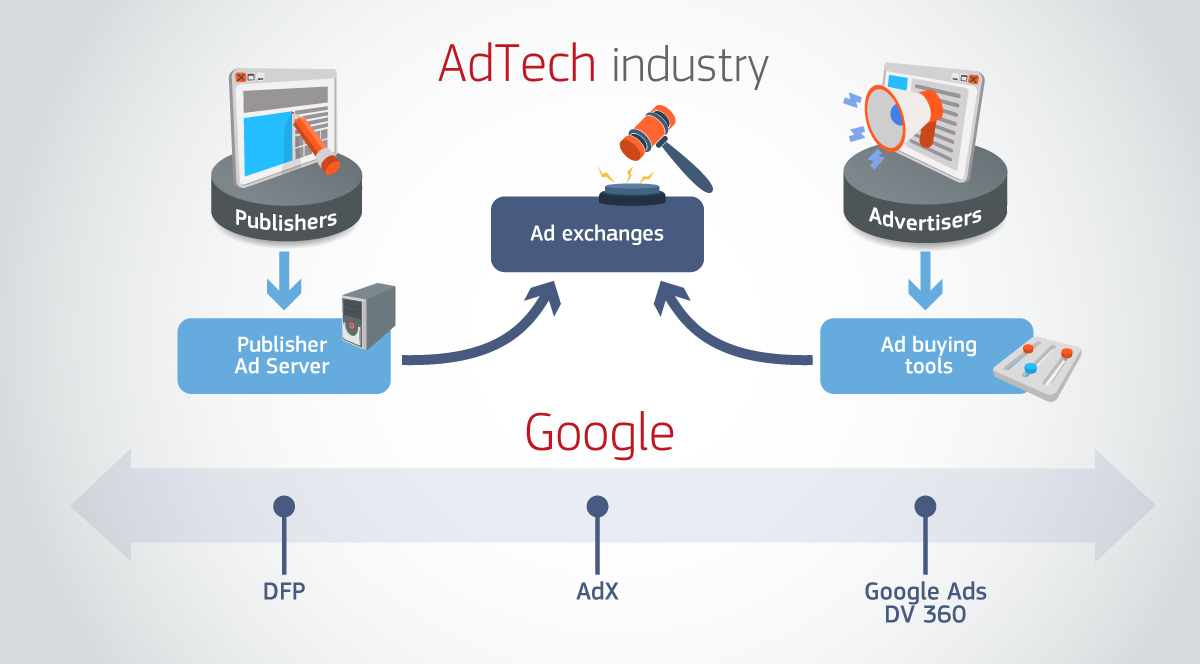
The findings were published on January 15 in a 363-page provisional decision detailing the Commission’s in-depth investigation into Google Ad Manager. Regulators examined how Google’s ad exchange, ad server, demand-side platform, pricing rules, and auction mechanics interacted, and whether this vertically integrated structure distorted competition across the digital advertising market.
Investigators concluded that Google’s ad tech stack created enduring structural conflicts of interest that could not be resolved through normal market competition alone.
How Google’s ad tech stack allegedly distorted competition
According to the Commission, Google systematically leveraged its control across multiple layers of the advertising supply chain to favor its own services. At the advertiser level, Google Ads was found to preferentially route demand through AdX, even when doing so was not necessarily in advertisers’ best interests. This practice, regulators said, strengthened AdX’s position in the supply-side platform market.
Google’s demand-side platform, DV 360, was accused of reducing bids submitted to rival supply-side platforms and adjusting bidding behavior in ways that discouraged header bidding. These actions allegedly diverted advertising demand away from competitors and toward AdX.
On the supply side, the Commission found that AdX benefited from coordinated buy-side and sell-side practices that increased its auction wins, scale, and revenues at the expense of rival exchanges.
Impact on publishers and auctions
The investigation also focused heavily on Google’s publisher-side ad server, DoubleClick for Publishers. Regulators said Google exploited DFP’s dominance by designing auctions in ways that favored AdX and could not be replicated by competing supply-side platforms, ultimately harming publishers’ revenues and choice.
Legacy waterfall auction configurations were found to prioritize AdX demand, reinforcing its privileged access to inventory. Even newer mechanisms such as Open Bidding were criticized for preserving AdX’s informational advantages rather than creating a genuinely level playing field.
The Commission further highlighted Unified Pricing Rules, which removed publishers’ ability to set differentiated price floors. Regulators said this limited competition between demand sources and reinforced Google’s exchange dominance.
Data and informational advantages
Another major concern was Google’s use of data. Investigators said the company exploited tight integration and data sharing across its ad buying tools, ad server, and exchange to extend dominance from one layer of the stack into others. Practices such as first-look and last-look mechanisms allegedly allowed AdX to react to rival bids in ways unavailable to competitors, distorting auction outcomes.
Taken together, the Commission concluded these practices amounted to self-preferencing and exclusionary conduct in breach of EU antitrust law.
Fines and divestiture now on the table
The European Commission reaffirmed its earlier decision to fine Google €2.95 billion for abusive practices in online advertising. It also ordered Google to end self-preferencing and remove structural conflicts of interest by implementing new corrective measures.
Crucially, regulators said behavioral remedies alone may not be sufficient. The Commission explicitly raised the possibility of forcing Google to divest parts of its ad tech business to ensure compliance with EU competition rules. This follows a compliance plan submitted by Google last November that relied mainly on behavioral changes, which regulators appear unconvinced will address the core issues.
A spokesperson for the European Commission said the provisional decision was being published in line with EU legal requirements and reflected the Commission’s view that Google’s conduct harmed competition in online advertising.
Google pushes back as legal battles widen
Google has already launched an appeal, presenting a 17-point defense of Google Ad Manager. The company argues that the Commission has misdefined relevant markets, overstated its dominance, and drawn incorrect conclusions about its ad tech practices. The appeal process is ongoing, and no definitive timeline has been set for a final ruling.
The European case is unfolding alongside similar proceedings in the United States. There, a federal court is also examining Google’s ad tech dominance, with a verdict expected in the coming weeks. As in Europe, the possibility of a forced divestiture is being openly discussed.
What this means for digital advertising
If upheld, the Commission’s findings could reshape the global digital advertising industry. A forced breakup of Google’s ad tech stack would mark one of the most aggressive antitrust interventions against a technology company in EU history, potentially altering how ads are bought, sold, and auctioned online.
For publishers, advertisers, and rival ad tech firms, the case signals a tougher regulatory stance on vertical integration and self-preferencing in digital markets. For Google, it represents a defining moment that could fundamentally change one of its most lucrative businesses.